Are your salespeople putting together a new presentation from scratch every time? Or perhaps you've been selling a new service for two years, but clients still ask exclusively about the old one? Both companies might come to us for a rebrand. And each would need a different scope of work.
Preparing your company for a rebrand means defining the reason for the change, gathering the knowledge and materials you already have, appointing a team and setting budget and timeframes. That's all there is to it. And yet, it's quite a lot. The first step is deciding how far-reaching the change should be. Are we talking about a refresh and a more refined design system? Or perhaps a much more substantial change involving repositioning?
Refreshing a visual identity system and undertaking a full strategic transformation, repositioning, often a name change and the creation of an entirely new brand are two very different projects. Comparing their scope (and therefore their budgets) often makes little sense. So let's start with the basics.
First things first: a facelift or a new brand?
Identify the problem the change is supposed to solve. The most common (though by no means the only) scenarios include:
We want to keep the logo largely as it is, but build a system around it.
This is the point at which we don't need a new brand and don't want to change too much, but we lack the materials needed for effective communication. The task, then, is to develop a system around the existing logo.
If customers recognise the mark, there's no reason to discard it. Let's see how it performs in the places where you actually use it. Is the name legible on a phone screen? Can the mark be embroidered onto employees' clothing? At this stage, it's also important to put the existing logo through its paces: test how well it works at different sizes and check for any formal or technical issues.
We want a light technical refresh of the logo, followed by a complete system.
If what we really want is to preserve as much of the logo's appearance as possible while bringing it up to date, it's worth communicating that clearly. An agency will always be happy to propose a completely new direction, but if we're not ready for that, it's better to invest the time and budget in thorough, workshop-based work and refining the logo so that it works properly from a technical standpoint.
We want a completely new perspective on the logo and the entire visual identity.
Sometimes we feel that the current logo simply no longer reflects the stature of the organisation behind it. It was created at a particular point in time (and it shows), it's underdeveloped and lacks distinction. This is the classic rebranding scenario. We retain certain elements of the identity (such as the colour palette or brand character), but the logo itself is designed from scratch.
If we're ready for this kind of change, let's say so directly: we're not looking for cosmetic tweaks. At LNV°ST, we usually propose a range of possibilities, from refining the existing logo while initially preserving its character, to developing a new solution that captures the essence of the brand through a new form but with a similar underlying idea.
We want a complete transformation.
In other words, a full-scale change and a complete rebrand. The scope of the business and its services has changed.
A company started out offering a single service. Today, clients trust it with much more, but its name, website and the opening line of its sales pitch still tell the story of its beginnings. In this situation, we need to work together to establish what the brand should be known for, who it should appeal to and which parts of its track record support this change. Only then can we decide whether a new name is needed, how to organise the offering and what to tell existing clients so that they can still recognise the team they trust under its new name.
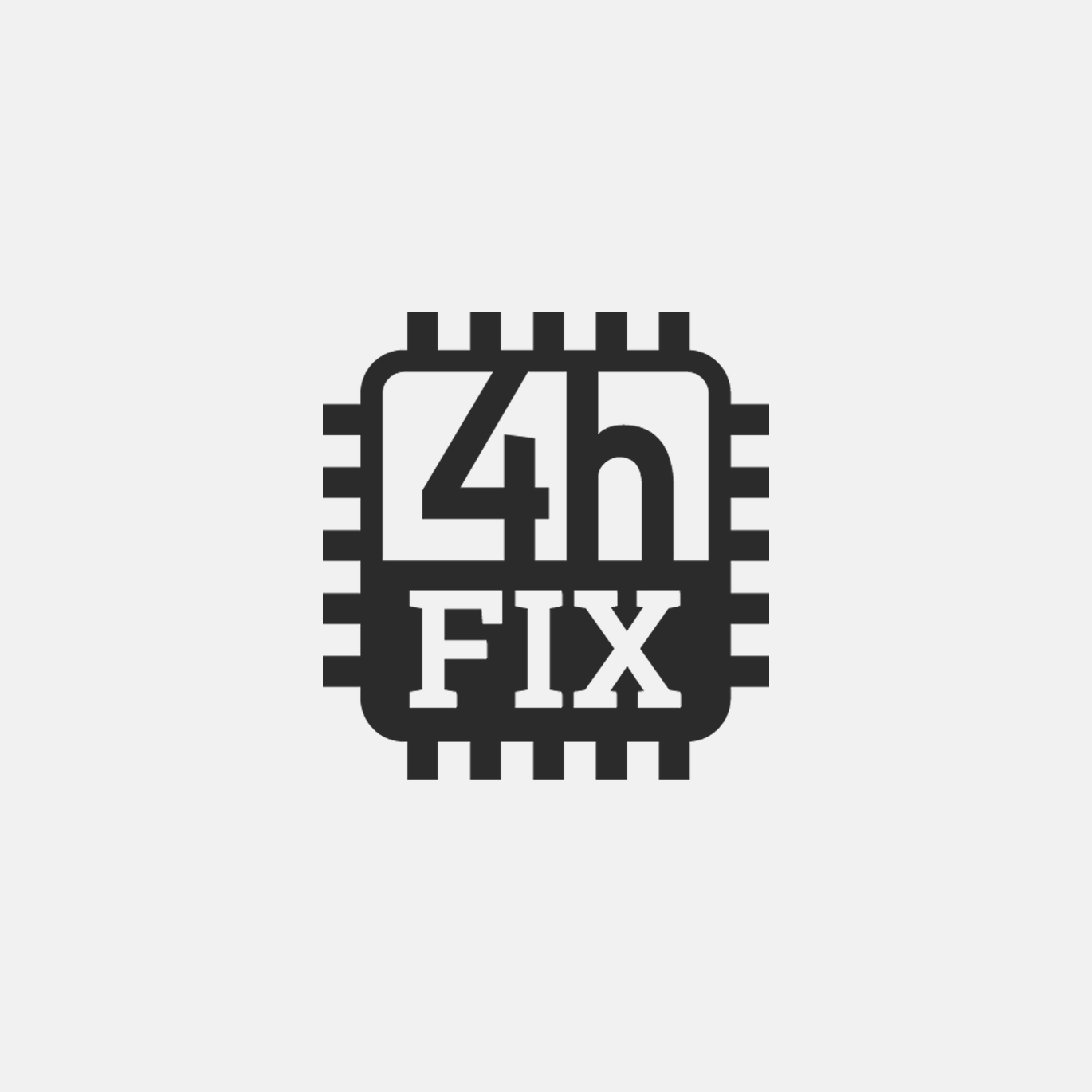
Example: 4hFix becomes NDHN

You don't need to arrive with a fully developed strategy or have all the answers figured out yourself. What you do need is a clear understanding of what you already know, who makes the decisions and what your company still needs to find out.
Second: Processes!
A rebrand is a good opportunity to take a closer look at how your company operates and identify what else could be improved or solved through thoughtful strategic design.
How do customers understand our offering, and what do we most often have to explain to them? What associations does the brand evoke? How do individual teams communicate it? What takes up most of our time and energy? What are the biggest limitations of our current communication?
A good starting point connects the current situation with the outcome you want to achieve. For example: "We've expanded our offering to include services for larger companies. We want our website and sales presentation to clearly communicate the broader scope of our expertise."
This kind of information helps define the scope of strategy, communication and design work.
A conversation about rebranding should begin with research, investigation, comparison and analysis. Does that mean you need to approach an agency with all the research already completed? Absolutely not! Just make sure to account for this stage in your timeline and budget. We can carry out the analysis together.
Third: Gather materials that reflect reality
To get started, it's useful to have your existing strategy, brand guidelines, website, presentations and sales materials. It's also worth including research, questions from customers, examples of competitors' communication and information about any planned changes to your offering.
Show us the materials your team actually uses. As a rule, everyone has their own version of PowerPoint. An adapted sales presentation may reveal a need that the official template was never designed to address. Only by working with the templates people actually use can we see what needs to be included in the new materials and what is already part of everyday practice.
Ask a salesperson for the last proposal they sent and find out which slide they had to modify just before sending it. What did they add? What did the client ask about? These specific details tell designers far more than a collection of random files. Before sharing an example, remove any client data and confidential commercial terms.
Fourth: Define the people involved and how decisions will be made
We need one person to lead the project on the company's side and someone authorised to approve each stage. These can be one and the same person. For larger projects, it's worth involving representatives from marketing, sales and HR as well, depending on the goals of the change.
Establish who provides information, who is consulted and who makes the decisions. Each of these roles is important, but each requires a different level of involvement. The agency needs to know who to discuss day-to-day matters with and whether the feedback it receives has been agreed upon internally.
It's also worth agreeing on how disagreements will be resolved. If the sales team wants to keep the old service name while marketing proposes a new one, who makes the final call, and on what basis? It's best to settle this before the first presentation. The agency should receive one agreed-upon response, together with an explanation.
Fifth, and perhaps the least exciting part: Set a budget and timeline
Define an approximate budget and the deadline associated with the change. This could be a market launch, trade fair, opening of a new location or product launch. Mark which dates are fixed and which are simply preferences.
Check the availability of decision-makers, too. Holidays, year-end closing or a particularly busy sales period can limit the time available for workshops and approvals. It's worth taking these into account before the timeline is drawn up.
Separate the cost of designing the brand from the cost of implementing it. If a trade fair sets the launch date, you may need a stand, website and sales presentation ready by that day. Replacing signage across your branches, on the other hand, can be spread over time. For each item, specify who is responsible for implementation and when they need to receive the final files.
Checklist before the first meeting
- We can explain why we're considering a rebrand.
- We know what is changing within the company and its offering.
- We've gathered our current materials.
- We've appointed a project lead and agreed on an approval process.
- We know our approximate budget and key deadlines.
- We've identified the most important applications of the new brand.
- We've written down the questions we don't yet know the answers to.
- We've established how we'll evaluate the outcome of the change.
- We know what needs to be ready for launch day and who is responsible for it.
If some of these points are still unresolved, they can become part of the first stage of our collaboration. At LNV°ST, an audit and workshop help organise the team's knowledge and establish where to start.
Planning a rebrand? Bring something to our first meeting that currently causes your team the most trouble. Tell us when it last had to be revised and why. That's a good place to start a conversation about the scope of work.