
Strategic branding
Strategic branding connects decisions about brand positioning, service structure, language, and identity with how the audience experiences an organization and uses its services. These decisions are based on an analysis of the current state and an assessment of the organization's capabilities, the competitive landscape, and market realities. At LNV°ST, we apply this approach to B2B companies, product brands, institutions, and local governments. Our role is to translate knowledge about an organization into a brand that can be understood, recognized, and consistently developed.
The projects for Node Horizon, Clarena, SVOBO, Semavo, and Kierunek Radomszczański demonstrate different applications of this approach.

Node Horizon — when a single service no longer describes the entire company
The transformation of 4hfix into Node Horizon involved much more than just a rebranding and name change. The name 4hfix communicated a specific promise: repairing equipment within four hours of a service request. Over time, the company expanded its expertise and began handling much more: IT infrastructure design and delivery, maintenance, cybersecurity, and the buyback and reuse of devices. Meanwhile, the brand continued to focus on the service that started it all.
At LNV°ST, we began by organizing what the company actually does and the situations in which it helps its clients. We connected individual services around the entire infrastructure lifecycle — from the decision to purchase, through daily use and protection, to equipment replacement and repurposing.
This became the foundation for repositioning: moving from an association with repair services to the role of a partner that helps clients consciously manage their IT infrastructure. We placed control over costs, business continuity, and decisions about what to buy, maintain, or replace at the center of our communication.
The brand repositioning clearly conveyed what the company truly does. The sales team confirmed that the clear naming and straightforward model made it easier to explain the company's services. Fresh branding complements the communication, but the key starting point was defining who we really are and how to convey that to our current and future clients.
Project takeaway: positioning should explain what a company can take responsibility for and what the client gains as a result.

Clarena — when your greatest advantage is hidden by category language
In the Clarena rebranding project, our point of reference was the brand's laboratory background: its in-house research, expertise, and technology. Previous communication did not highlight these competencies clearly enough. During our analysis, we noticed an aspect of the organization that was so obvious to them that it wasn't being used as a market advantage. We identified this strength and steered the communication toward the true essence of the brand.
We based the new communication direction on the company's scientific, laboratory-driven nature. The product narrative was designed to explain ingredients, mechanisms of action, concentrations, and justified results. This approach was reflected in the information architecture, product naming, materials, and website structure.
The visual identity followed the same direction. The evolution of the logo, along with organized typography and composition, was intended to support the precision of the message. The design was given a specific task: to make the product easier to understand.
From this project, we derive an important principle: an expert brand should allow the audience to evaluate its knowledge. A professional look alone cannot replace an explanation of what the promise is based on.
SVOBO — when you need to name the value of an entire service
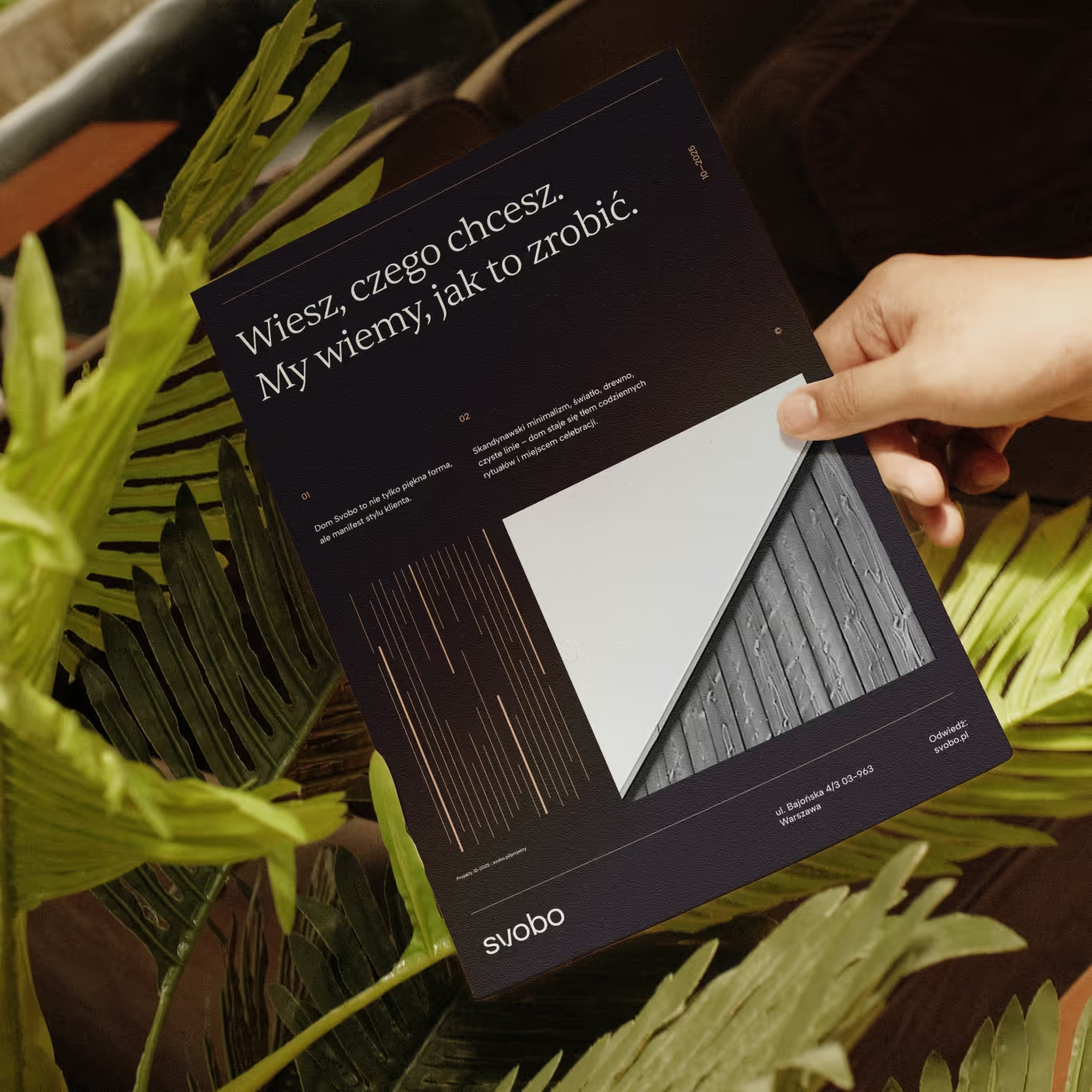
SVOBO designs and builds custom solid wood homes, guiding the client from the initial concept and legal requirements through to the finished house. The general category of "wooden houses" did not capture the scope of this responsibility.
In our project, we shifted the communication toward informed decision-making and process management. The value lay not just in the building itself, but also in the expertise required to bring it to life. The identity was aligned with this direction: an orderly logo, restrained typography, illustrations, and a cohesive color palette formed a unified system.
This is another variation of the problem seen in Node Horizon. The audience recognizes the product or a single action, but may fail to see the work that makes it possible. The task of branding is to make this value clear—without cluttering communication with more generalities.
Organizing information is part of brand strategy
Information architecture determines what the audience perceives as most important. That is why we do not leave it solely for the website menu design stage.
In Node Horizon, it is about the relationships between services across the infrastructure lifecycle. In Clarena, it is about how products are understood. In the case of the region, the goal is to combine scattered resources into an accessible experience.
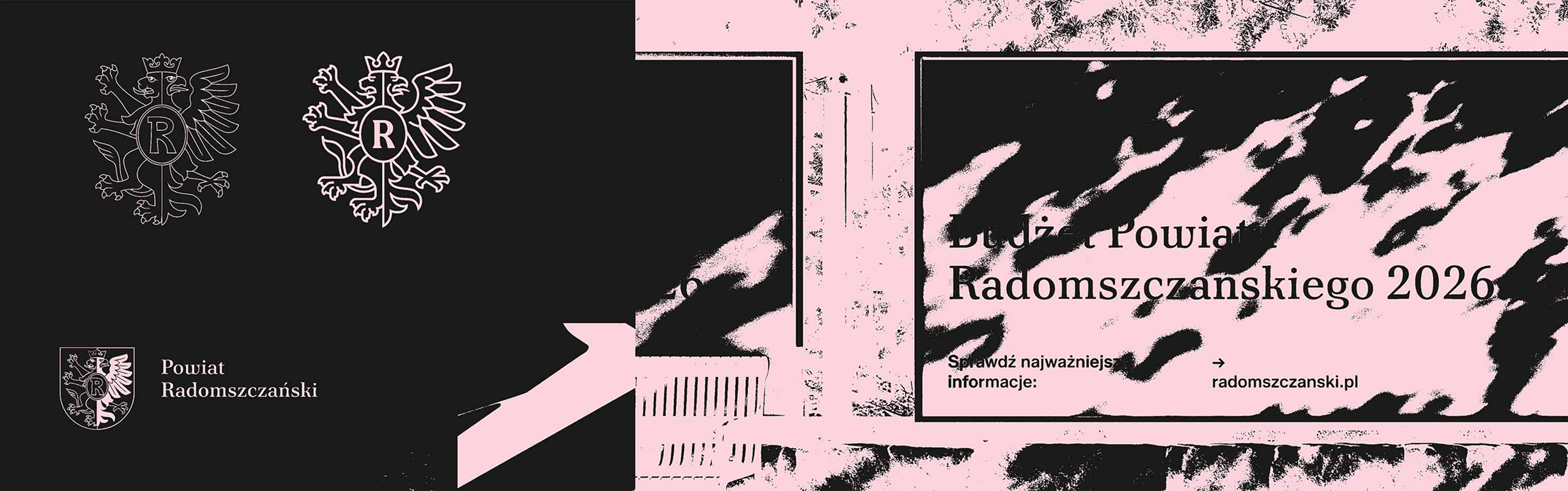
The Kierunek Radomszczański brand project began with surveys and public consultations. These revealed a need for an umbrella brand that would connect local entrepreneurship, micro-tourism, and resident initiatives. The name and communication were intended to give these efforts a common direction.
The next element was the Kierunek Radomszczański portal. It combines a map, events, routes, attractions, and local producers. Users can search by location, category, or ideas for spending their time. Administrators were provided with tools to develop the content independently.
In our view, this is the moment when a brand becomes useful. The promise of discovering the region takes on a practical form: it helps find a place, choose a route, and plan a visit.
Naming and brand architecture have different tasks
Not every problem requires a new name. Sometimes you need to broaden associations, sometimes organize the naming of an offer, and sometimes separate the functions of several labels.
Node Horizon allows for moving beyond the association with repairs. Kierunek Radomszczański provides a shared identity for promotional activities.
That is why we treat naming as a decision about meaning and function. Only when we know what the name is meant to organize can we evaluate its sound and potential.
How LNV°ST combines strategy, communication, and design
Our approach is based on connecting several key decisions.
First, we identify the gap between an organization's actual value and how it is perceived. Then, we define the positioning and information hierarchy. Based on this, we develop the language, naming—if required—as well as the visual identity and digital tools.
A message house organizes the core promise, supporting messages, and evidence. The tone of voice defines how the conversation is conducted. The visual system builds recognition and hierarchy. The website, documents, and templates translate these foundations into everyday work.
We tailor the scope to the problem. Not every brand needs every element from the start, but every brand needs consistency across the elements it uses.
LNV°ST specializes in integrating brand strategy, communication architecture, visual identity, and digital design into a single process. We work where there is a need to clarify a complex offer, highlight overlooked expertise, or organize communication across multiple services, teams, and institutions.
A mature brand reveals what an organization is truly capable of. It also helps people understand why that matters. This is exactly what strategic branding achieves.
.avif)

.avif)